Boiler Explosion at Vedanta Power Plant in Chhattisgarh – Lessons for Prevention
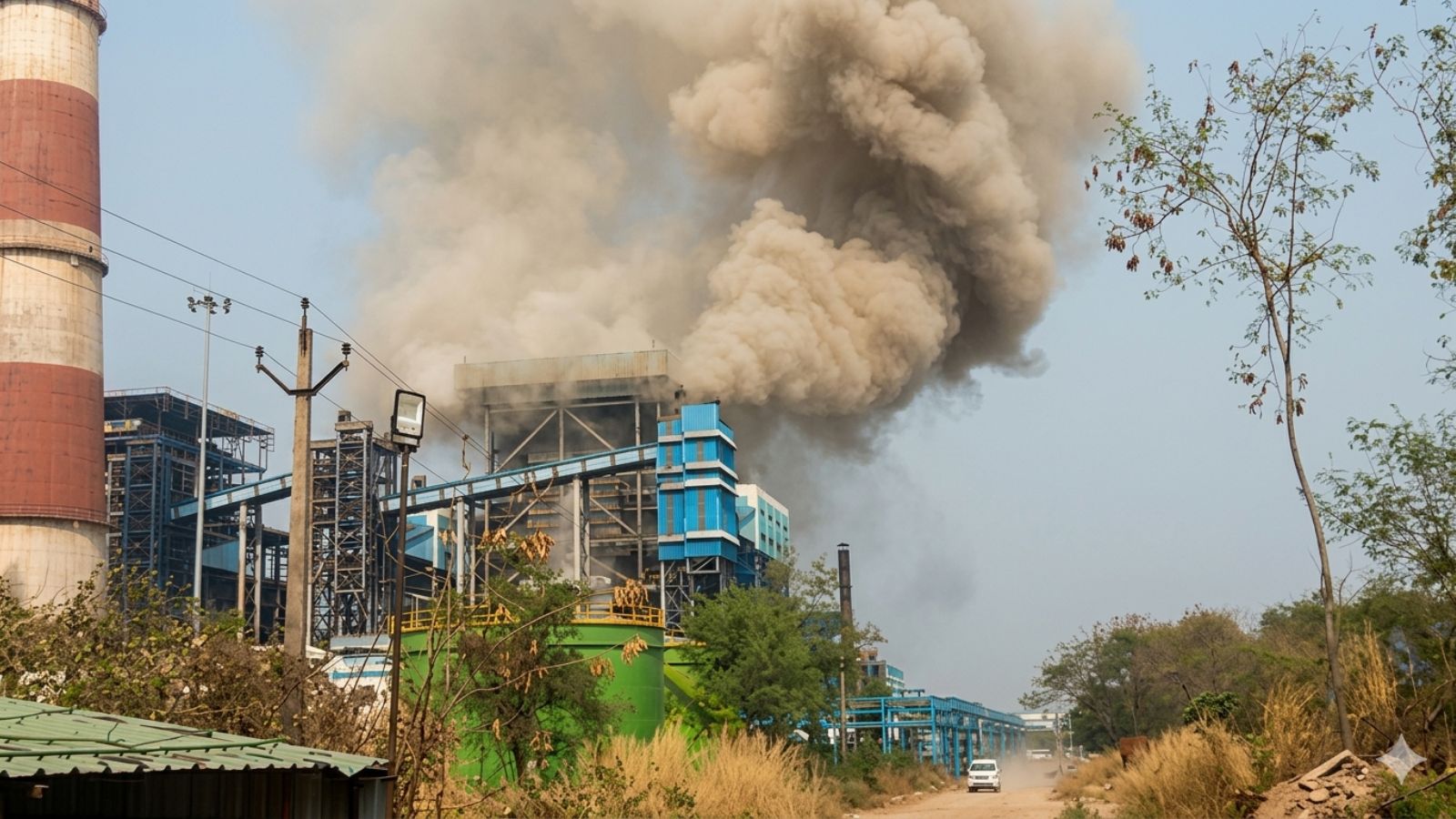
A tragic boiler explosion occurred on April 14, 2026, at Vedanta Limited's 1,200 MW coal-fired thermal power plant in Singhitarai village, Sakti district, Chhattisgarh. The incident resulted in approximately 20 fatalities and over 30 injuries, many from severe burns, among workers (including those from a subcontractor). Operations at the affected unit have been suspended, and authorities have filed an FIR against company officials, citing potential lapses.
WhatsApp channel "BOE Adda"
What Happened
The blast originated in Boiler-1, specifically involving a rupture in a high-pressure steam tube carrying steam from the boiler to the turbine. Workers described the force as feeling "like a missile landing," with thick smoke and intense heat causing panic.
Possible Reasons (Based on Preliminary Investigations)
Initial reports from the Chief Boiler Inspector, Forensic Science Laboratory (FSL), and Department of Industrial Safety point to the following key factors:
- Excessive fuel accumulation in the boiler furnace, leading to uncontrolled combustion and a rapid pressure surge.
- Operational failure, including a suspected sudden surge in production load despite earlier warnings (e.g., a primary air fan malfunction hours before the incident).
- Possible contributing issues such as inadequate combustion control, pressure buildup beyond design limits, or maintenance/operational lapses that allowed fuel-rich conditions to develop.
How Such Incidents Can Be Prevented
Boiler explosions are often avoidable through rigorous safety protocols.
Key preventive measures include:
- Real-time monitoring and controls: Install and maintain advanced sensors for fuel-air ratio, furnace pressure, steam pressure, and water levels. Automatic shutdown interlocks should activate on detecting anomalies (e.g., excessive fuel or low water).
- Strict operational discipline: Avoid sudden load surges. Follow standardized startup/shutdown procedures and never override safety alarms or continue operations when equipment (like fans) malfunctions.
- Regular maintenance and inspections: Conduct frequent checks of safety valves, tubes, burners, and fuel systems. Address corrosion, scaling, or wear promptly. Hydraulic testing and non-destructive testing of pressure parts are essential.
- Combustion safety systems:
Use flame safeguards and purge sequences to prevent fuel buildup.
Ensure proper water treatment to avoid scaling that can lead to
overheating.
Training and culture: Provide ongoing operator training, including mock drills for emergencies. Foster a "safety-first" environment where warnings are heeded and procedures are never bypassed. - Compliance and audits: Adhere
to boiler codes, perform independent third-party audits, and ensure
safety valves and relief systems are calibrated and functional.
This incident serves as a stark reminder that industrial safety cannot be compromised. Companies must prioritize robust risk assessments, especially in high-pressure systems like boilers in thermal power plants.
Subscribe to our newsletter for updates on Boiler Operation Engineering Exam
WhatsApp channel "BOE Adda"


Comments