Digitalisation in Mines in India
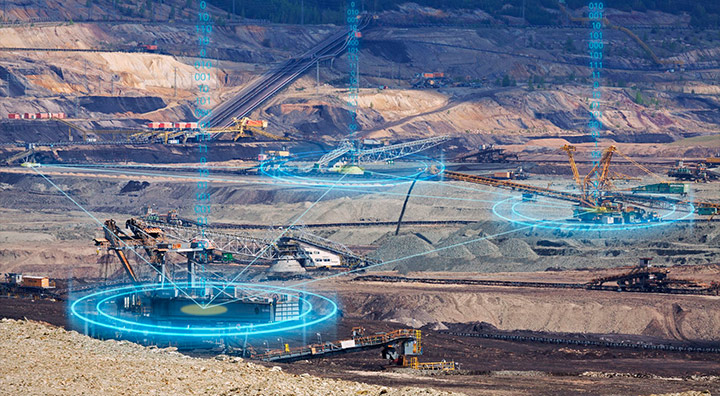
In the rugged world of mining, the term "digital mine" gets thrown around like dust in a blast site. But what does it really mean? Is it a fully automated sci-fi operation, or a practical upgrade to traditional methods? Spoiler: It's the latter—and it's delivering real results today.
A digital mine integrates real-time data across the entire mining value chain—from exploration to reclamation—using digital platforms. This enables smarter planning, precise control, faster decisions, and ultimately: higher production volumes, lower costs (both operating and capital), and dramatically improved safety.
Study material for DGMS and other mining engineering exams
WhatsApp channel: Miners Adda
Key building blocks of a digital mine include:
Digitized geological models and data for accurate reserve estimation and discovery.
IoT sensors capturing live data during extraction (think vibration, temperature, equipment health).
Digital equipment, wearables for operators, and predictive maintenance tools.
Automated bulk handling and logistics solutions.
Drones for surveying, stockpile monitoring, and safety inspections.
Remote operations centers for safer oversight.
Integrated planning, control, and decision-support systems connecting a mobile workforce.
Robust cybersecurity to protect the growing network of connected devices.
These aren't futuristic dreams—they're active technologies boosting efficiency and reducing risks.Globally, digital transformation is accelerating.
The digital mining market is projected to grow from around $0.45 billion in 2025 to $0.74 billion by 2030, with a strong CAGR driven by AI, IoT, automation, and analytics. Leading companies are seeing quick wins: up to 20% gains in haulage efficiency, 20-30% reductions in equipment downtime via predictive maintenance, and significant safety improvements through collision avoidance and remote monitoring.
In India—home to a powerhouse mining sector—adoption is gaining momentum. While many operations lag global benchmarks, pioneers are closing the gap:
Tata Steel has rolled out connected mining initiatives, smart command centers, and real-time analytics across iron, chrome, and coal mines to boost throughput and yield.
Hindustan Zinc (Vedanta) is advancing with AI-driven reliability, IIoT fleet intelligence, digital collision-avoidance systems (partnering with Epiroc), and plans for highly automated, AI-powered operations to double production by 2030.
NMDC, India's largest iron ore producer, is pioneering smart mining, logistics, and cutting-edge digital technologies (many firsts in India) to enhance transparency, efficiency, and sustainability.
The big question: Is the investment worth it?
Yes—for most operations. Digital solutions often deliver fast ROI (months, not years) through reduced downtime, fuel savings, better resource recovery, and avoided incidents. Predictive tools cut unplanned shutdowns, automation streamlines workflows, and data-driven decisions optimize everything from blasting to transport. While upfront costs (tech, training, integration) exist, the long-term payoff includes higher productivity, safer workplaces, and competitiveness in a decarbonizing world.
Mining isn't just about digging deeper—it's about thinking smarter. The digital mine isn't a distant horizon; it's happening now, and early adopters are reaping the rewards.
Subscribe to our newsletter for updates on DGMS and other mining engineering exam
Study material for DGMS and other mining engineering exams
WhatsApp channel: Miners Adda


Comments