Protective Gears in Mining
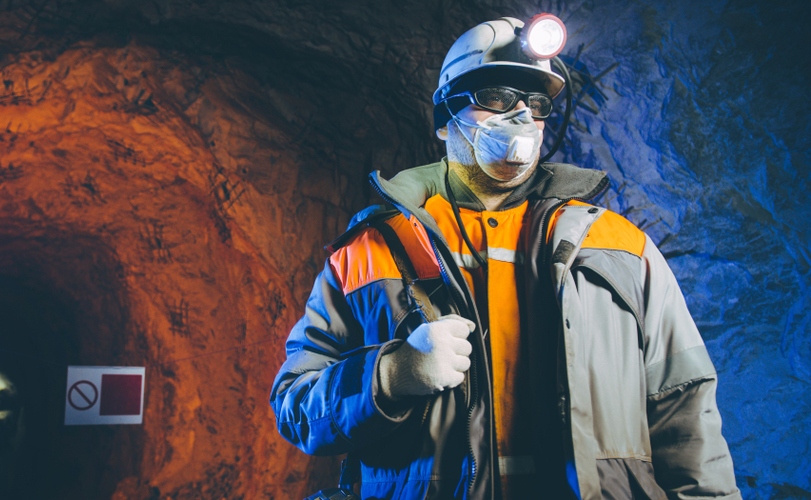
In mining, a safety helmet isn’t a permanent hat—it’s a timed shield. According to DGMS/CMR rules, PPE like footwear and helmets have a statutory shelf life, typically 3–5 years, because UV rays, sweat, and impacts degrade their polymers and shock-absorbing liners. After that date, a helmet that looks fine can shatter like glass under a falling rock.
WhatsApp channel: Miners Adda
Yet, many companies treat these expiry dates as suggestions, not laws. They issue a new pair of steel-toed boots only when the old ones literally fall apart, and keep helmets on heads years past their certification. The savings? A few thousand rupees per worker. The cost? A fractured skull or a crushed foot that could have been prevented.
In 2022, a drill operator in a Jharkhand mine took a minor blow from a loose rock. His helmet—six years old—cracked clean through, sending plastic shards into his scalp. He survived, but with permanent nerve damage. The company’s internal audit later revealed they’d delayed replacing 200 helmets to save ₹1.2 lakh ($1,500)—less than his single month’s medical bill.
On humanity’s balance sheet, this is unconscionable. A truly ethical company doesn’t wait for the expiry date to arrive; it schedules replacements a month early, treats PPE as consumable life-support, and knows that a worker’s safety isn’t a line item—it’s a moral contract. Cutting corners on gear isn’t frugality; it’s gambling with someone’s future for pocket change. And no balance sheet is worth that bet.
Subscribe to our newsletter for updates on DGMS and other mining engineering exam
Study material for DGMS and other mining engineering exams
WhatsApp channel: Miners Adda


Comments